Professional background
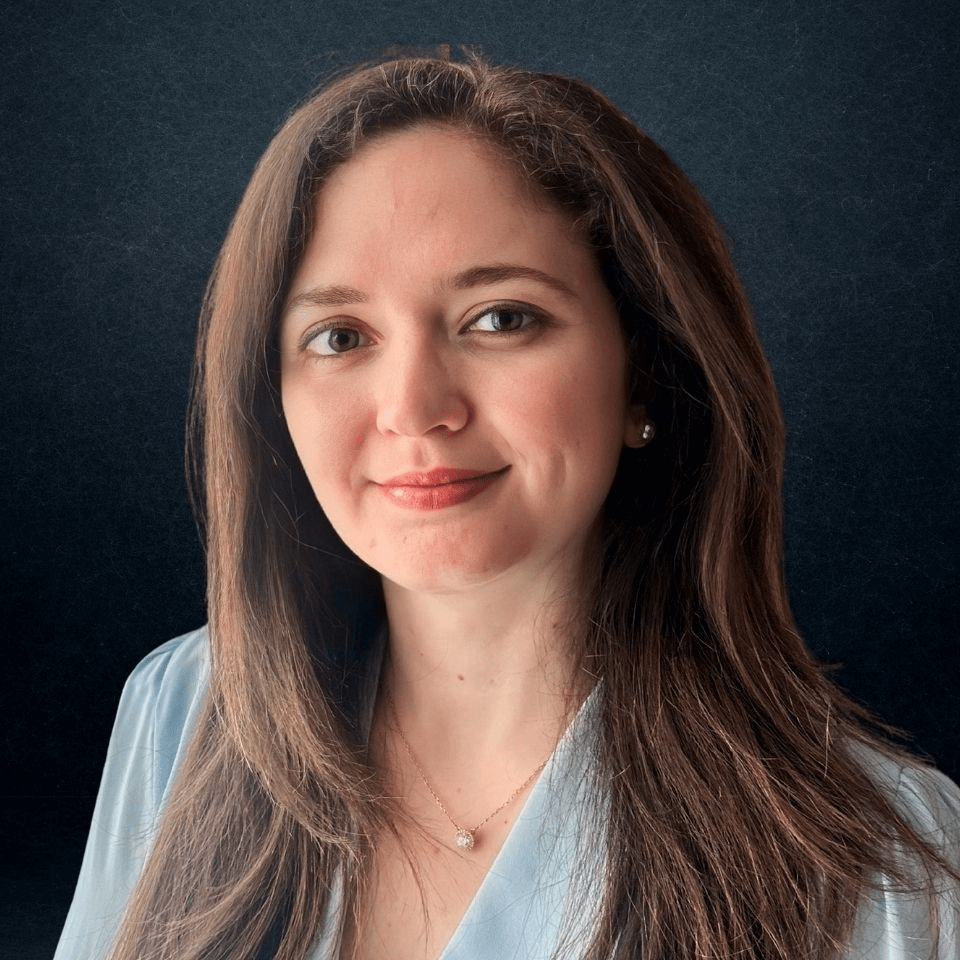
Originally from Lebanon, Dr. Ramy Samaha began his medical studies at the Faculty of Medicine of Saint Joseph University in Beirut. From 2017 to 2021, he specialized at Hôtel-Dieu de France.
In 2021, Dr. Samaha joined Gustave Roussy as a medical oncology resident. These two years proved to be rich and formative, leaving a deep impact on his career. There, he worked alongside Professor Ducreux, Dr. Sarah Dumont, and Dr. Barbara Pistilli—encounters that were as meaningful on a personal level as they were professionally. He left with a Specialized Medical Training Diploma from Sorbonne University and a University Diploma in Clinical Oncology from Gustave Roussy Education and Paris-Saclay University, but also with something less tangible: a way of approaching medicine.
Following this experience, he chose a different path from many of his peers thanks to his meeting with the person who would become his mentor: Dr. Normand Blais, who offered him a clinical fellowship in thoracic oncology at the Centre Hospitalier de l’Université de Montréal (CHUM). Drawn by the Canadian experience and motivated by the opportunity to discover a new healthcare system, he moved to Quebec in winter 2023 to pursue a two-year fellowship in thoracic oncology.
Today, Dr. Samaha practices as a medical oncologist at the CISSS de la Montérégie-Ouest in Quebec. In this community hospital setting, his practice extends beyond thoracic cancers, as he treats patients with all types of cancer using a multidisciplinary approach, which he considers one of the most valuable takeaways from his time at Gustave Roussy.
“Gustave Roussy gave me a solid foundation to manage all types of cancers. But what I remember most is the importance of staying curious and continuing to learn. In oncology, practices are constantly evolving—we cannot afford to stand still.”
Differences between France and Quebec
Having experienced the dynamic environment of a center like Gustave Roussy, Dr. Samaha discovered in Quebec a setting that differs in its organization, but is driven by very similar principles. The pace is demanding, with a high volume of patients and busy days, where efficiency naturally goes hand in hand with a constant commitment to quality of care.
Multidisciplinary collaboration holds an equally central role. While it may appear less formalized than in France, it relies on direct, ongoing, and often more spontaneous exchanges between specialists. Whereas Gustave Roussy emphasizes structured meetings bringing together all stakeholders around a case, the Canadian system favors fluid communication integrated into daily practice.
Beyond these organizational differences, the fundamentals remain the same: rigorous medicine and a shared commitment to providing the best possible care. It is this alignment in values and standards that enabled Dr Samaha to integrate naturally, with the feeling of continuing—rather than transforming—the practice he had developed.
“What I observed when moving between healthcare systems was more continuity than disruption.”
The challenge of re-adaptation
Integrating into a new system means entering an environment where one sometimes has to relearn. A challenge that Dr. Samaha approaches with patience.
“When I arrive in a new ecosystem, I have to step out of my comfort zone and leave behind my previous habits. It’s a significant challenge to readapt to a new healthcare system, to start from scratch, and to rebuild a professional network. You really have to be patient at the beginning, but you eventually find your footing.”
Beyond the white coat
In Quebec, Dr. Samaha has found much more than a new place to practice. Running has become a regular ritual, with several outings each week, a Montreal half-marathon already completed, and other challenges ahead. Outside the hospital, he fully enjoys what the province has to offer: abundant nature, a vibrant cultural life, and a calendar of concerts and exhibitions that shape the seasons.
Comments0
Please log in to see or add a comment
Suggested Articles